Our story
From three founders to one of the largest garden railway clubs in the region
The South Eastern Pennsylvania Garden Railway Society was founded in December 1989 by John Derr, Steve Wolfhope, and Tom Gibbons to serve the needs of large-scale model railroad enthusiasts in the Delaware Valley. What began as a small group of neighbors sharing a passion for outdoor trains has grown into one of the largest clubs of its kind.
Our main objective is to promote model railroad activities of the large-scale type, both indoor and outdoor layouts. We encourage all aspects of the hobby — from the kit-basher and scratch-builder to the train enthusiast and the gardener, from the complete beginner to the most experienced hobbyist.
The Society is registered as a non-profit organization with the Commonwealth of Pennsylvania. Club income from membership dues, train show fees, and raffles is spent on newsletter production, admission fees for club outings, and the equipment used at our public displays.
We are a very informal group and get together mainly to talk about and to run trains, and to learn from each other. All family members are welcome to participate in every Society activity.
“We grow trains in our gardens — and friendships along every mile of track.”South Eastern Pennsylvania Garden Railway Society
openhouse_001.jpg
module_001.jpg
openhouse_002.jpg
module_002.jpg

openhouse_003.jpg
What we do
Six ways the club brings members together throughout the year
What is G gauge?
A brief primer for newcomers to large-scale garden railways
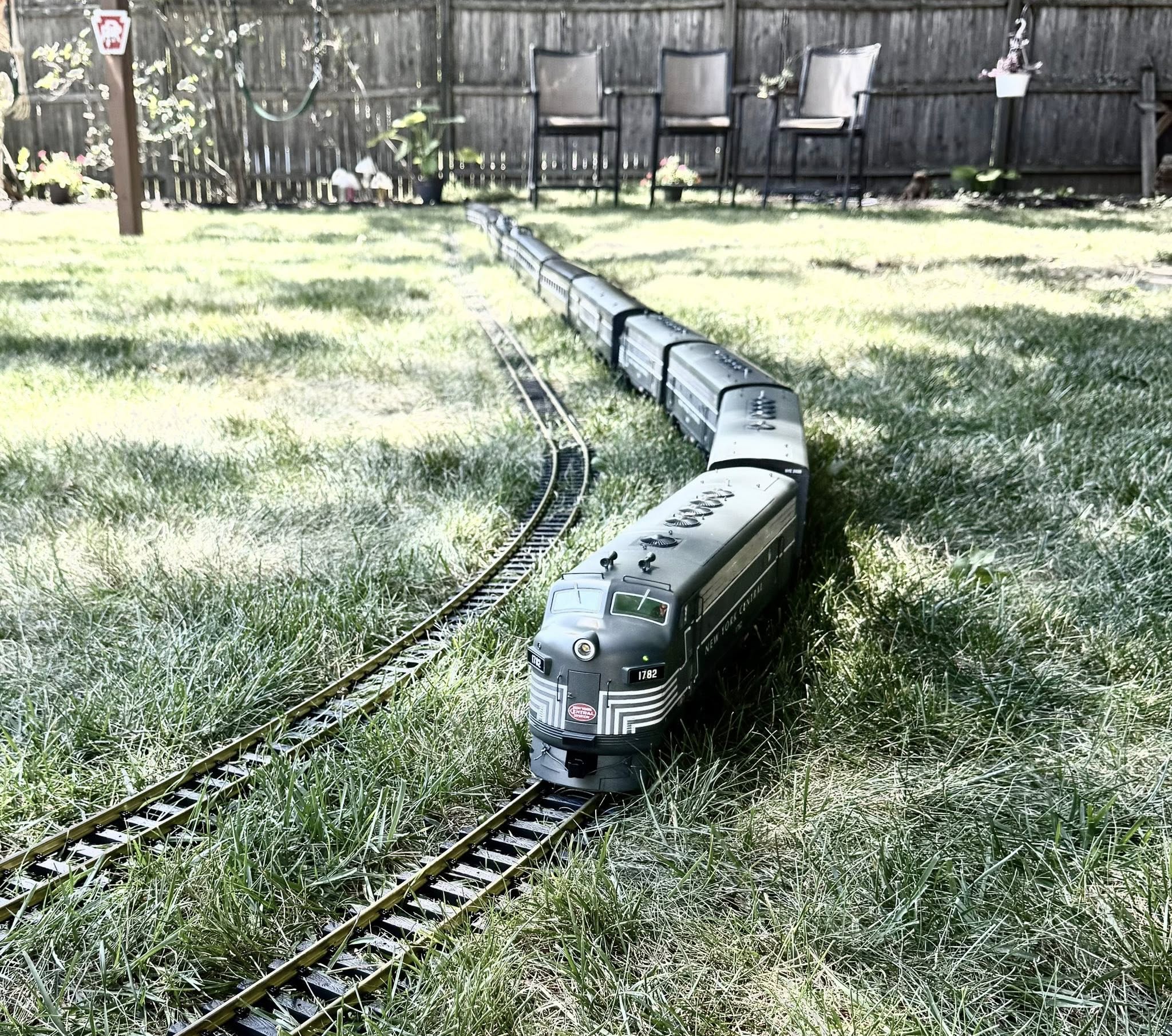
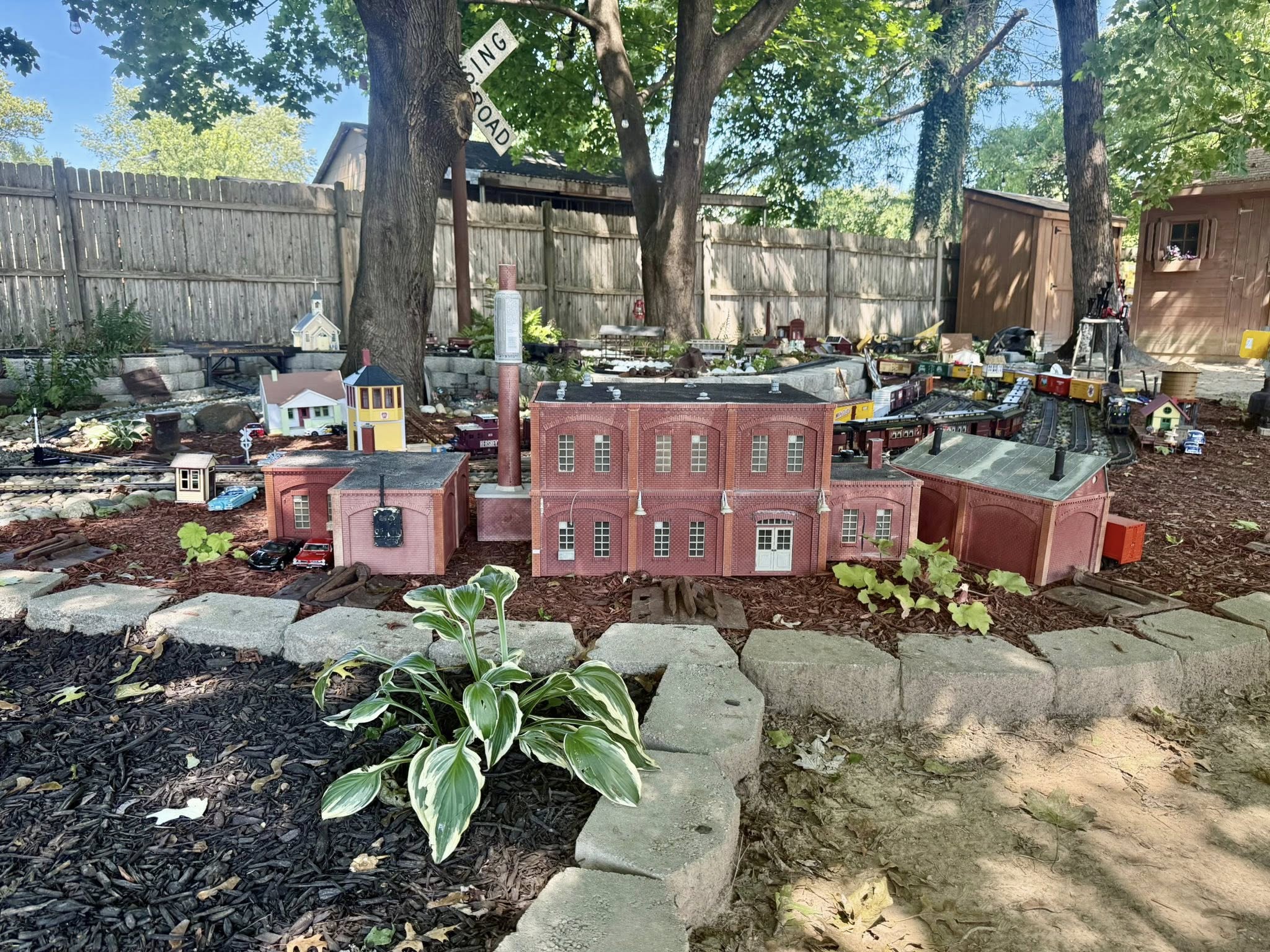
Garden railroads are model train layouts built in an outdoor setting — in a garden, on a deck, patio, or directly in the ground. G gauge (also called Large Scale) uses track with 1.75 inches between the rails, made from brass, aluminum, or stainless steel. Because the track is weatherproof, it runs year-round outdoors without any special treatment.
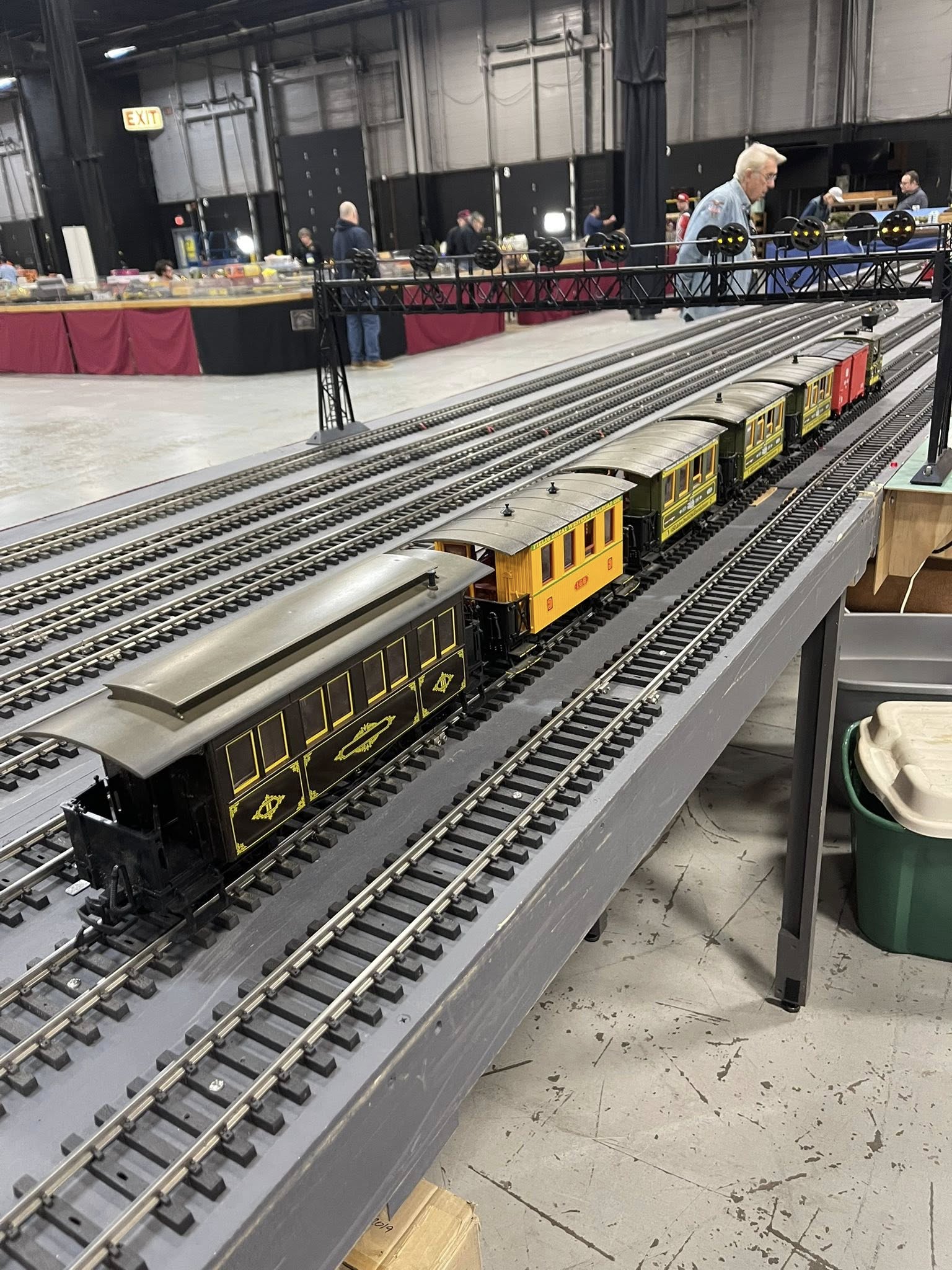
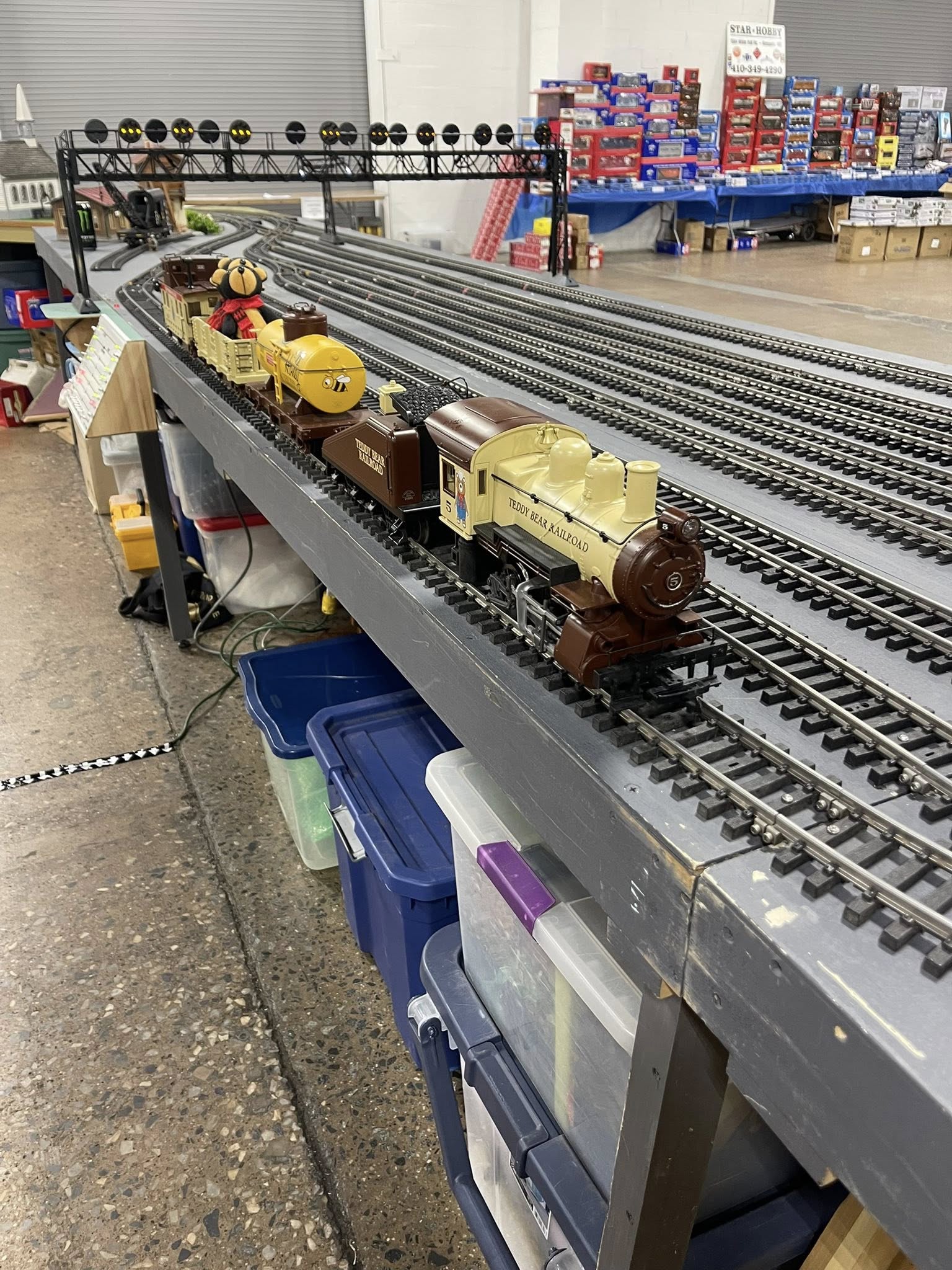
G-gauge trains are big — roughly twice the size of O gauge and about three times larger than the HO gauge trains many people remember from childhood. That size makes them especially well-suited to garden settings, where the trains can be appreciated from a few feet away as they wind through landscaping, over bridges, and through tunnels.
Trains can be powered by electricity (track power), battery, or live steam. Despite the differences in scale among manufacturers, all G-gauge trains run on the same track — so members can mix and match locomotives and cars from different makers on the same layout.
All scales above run on the same G-gauge track (1.75″ rail spacing). Power options include AC/DC track power, onboard battery, and live steam.
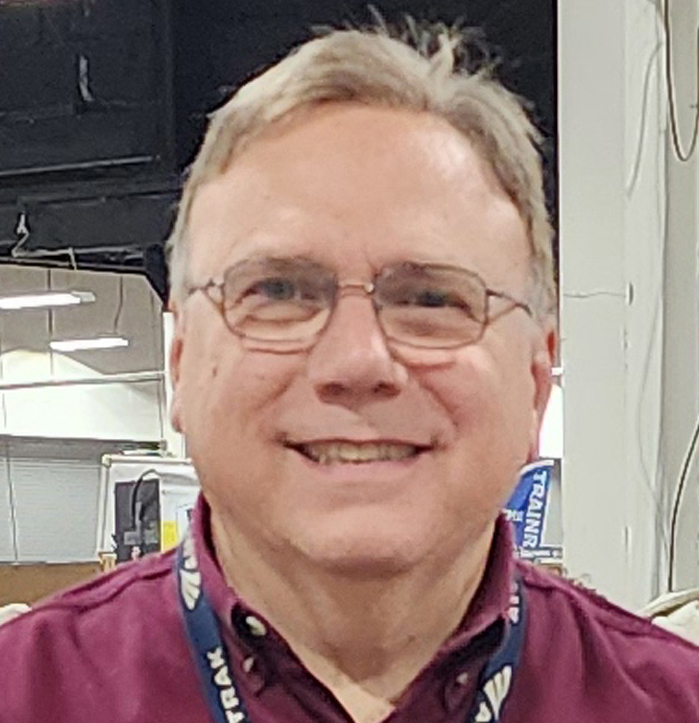
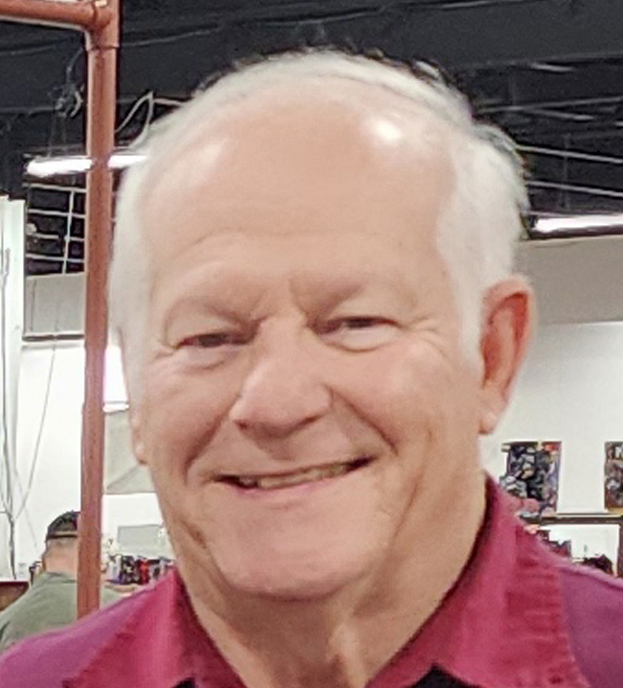
Club officers
Elected officers serve two-year terms per the SEPGRS bylaws (adopted July 2012)

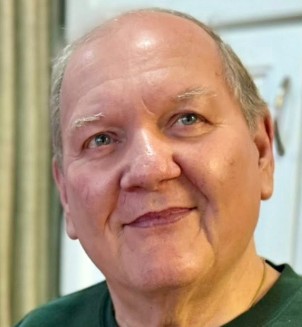
Board of directors
Board members-at-large serve alongside elected officers per Article IV of the bylaws

Committee chairs
Appointed by the board per Article VII of the bylaws
Organization & finances
How the club is structured and how dues are used
Non-profit status
SEPGRS is registered as a non-profit organization with the Commonwealth of Pennsylvania. The club officers meet throughout the year to plan club activities and manage operations.
How dues are used
Membership income covers newsletter reproduction and mailing costs, admission fees for railroad outings sponsored by the Society, and the cost of equipment owned by the club used in train shows — including trailers used for transport and storage.
Membership coordinator
The membership coordinator handles all applications, dues collection, and roster management. New members can apply by mailing the application form with a $20 check to our Yardley, PA address.
Annual cycle
The club follows a year-round calendar: monthly meetings, spring and fall train show seasons, a summer open-house season, a summer picnic, and a November Holiday Dinner. The show schedule is announced each January.
Our region
Serving garden railway enthusiasts across the greater Philadelphia area and Delaware Valley
Three states, one community
SEPGRS members live in the area extending from Kutztown, Pennsylvania to Newark, Delaware, and from Lancaster, Pennsylvania to central New Jersey — the greater Delaware Valley and greater Philadelphia region.
Meetings are held through the year in various locations in the area. Open houses are hosted at member homes throughout the region, giving members a chance to visit different layouts across all three states.